The Most Dangerous Woman to a Narcissist Is the One Who Finally Sees Him Clearly
There is a particular kind of exhaustion that comes from living inside a relationship where you are always second-guessing yourself. You replay conversations, wonder if you overreacted, and quietly absorb the blame for things that never felt like your fault. At some point, something shifts. You stop trying to make the story make sense and start watching what is actually happening, and that moment of clear-eyed recognition is more powerful than any argument you could ever win.
Clarity Can Challenge a Controlling Dynamic—But It Is Not a Weapon

The headline that brought you here is meant to be felt, not taken as a clinical rule. “The most dangerous woman to a narcissist” is a metaphor, not a prediction. What it is really describing is the moment a woman stops accepting confusion, self-doubt, and shifting blame as the normal cost of being in a relationship, and starts seeing repeated behavior for what it actually is.
That shift matters. When you stop accepting distorted explanations for why you are always the problem, the relationship’s existing power dynamic can be challenged. The American Psychiatric Association describes narcissistic personality disorder as involving patterns of grandiosity, a persistent need for admiration, and impaired empathy. When someone with those traits relies on your confusion to maintain control, your clarity can disrupt that dynamic.
But here is what this article will not tell you: that seeing him clearly makes you invincible, that it will provoke a predictable reaction, or that it is an invitation to confront him with everything you now know. Clarity is not a weapon. It is a return to yourself.
The APA Dictionary defines gaslighting as manipulating someone into doubting their perceptions or understanding of events. When that kind of repeated reality-reshaping has been part of your relationship, seeing clearly is genuinely disorienting at first. You may feel grief, relief, and anger all at once. That is not weakness.
That is your own mind coming back online after a long time spent in someone else’s version of reality.
The Label Matters Less Than the Pattern You Keep Living Through

“Narcissist” has become one of the most used words in relationship conversations online, and for good reason. Millions of people recognize something in that description that finally names what they have been living through. But the word is doing a lot of heavy lifting, and it is worth understanding what it actually means, and what it does not.
Narcissistic personality disorder is a formal diagnosis. MedlinePlus explains that personality disorders require evaluation by a qualified mental-health professional and involve persistent, inflexible patterns that cause real impairment over time. A person can be self-centered, defensive, emotionally immature, or deeply hurtful without meeting the clinical criteria for NPD. One bad argument does not establish a diagnosis.
A checklist from a social media post does not either.
You do not need a label to take what is happening to you seriously. The features that clinical professionals look for in NPD include a pervasive sense of entitlement, exploitation of others, an intense need for admiration, disregard for other people’s feelings, and sharp sensitivity to criticism that can manifest as rage, shame, or blame-shifting. According to MedlinePlus’s clinical overview of narcissistic personality disorder, these are diagnostic features, not proof that your specific partner has the disorder.
What matters more than the label is the pattern you keep living through. Does he deny things you clearly remember? Does he reverse blame every time you bring up harm? Does he punish you for having a reasonable boundary?
Does he make you feel like your perceptions are always slightly wrong? Those behaviors deserve to be taken seriously whether or not a diagnosis ever enters the picture. Your experience is real regardless of what his file says.
You Can Name Harm Without Calling Every Disagreement Gaslighting
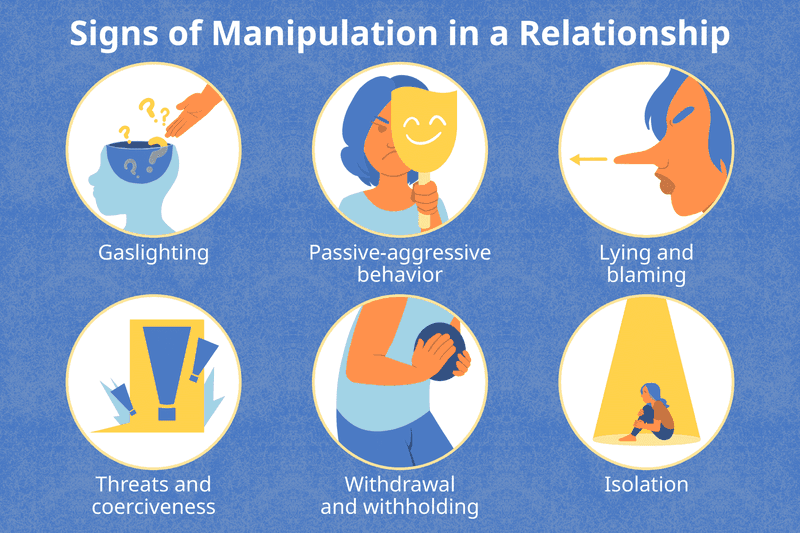
Gaslighting has become a shorthand for almost any moment a partner disagrees, forgets something, or gets defensive. That broad use dilutes something that, when it is actually happening to you, is genuinely disorienting and harmful. The APA defines gaslighting as a repeated or purposeful pattern of manipulation that causes someone to doubt her perceptions or understanding of events. A single argument where he misremembers a detail is not gaslighting.
A years-long pattern of telling you that your feelings are invented, your memory is faulty, and your reactions are proof of your instability is something else entirely.
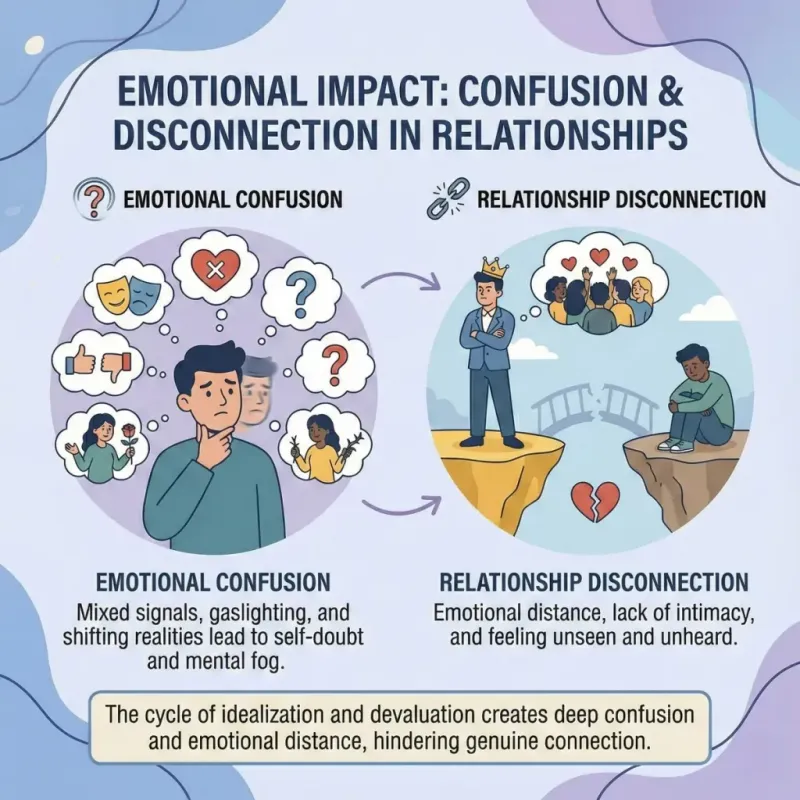
Real gaslighting tends to erode your confidence in your own mind over time. You start apologizing for things you did not do. You rehearse conversations before having them, trying to predict how he will reframe them. You feel grateful when he is simply kind to you, as though basic decency is a gift.
That slow erosion of self-trust is what makes it so hard to see clearly, and why clarity, when it finally arrives, feels so significant.
Beyond gaslighting, the CDC identifies psychological aggression in intimate relationships as behavior intended to harm a partner mentally or emotionally or to exert control. That includes insults, humiliation, monitoring her movements or communications, isolating her from family and friends, restricting access to money or transportation, and making threats, whether toward her, her loved ones, or himself. These behaviors are serious and harmful regardless of whether they come with a formal diagnosis attached.
Naming what is happening clearly, without overstating it, is an act of self-respect. You can say “he humiliates me in front of others” without claiming a clinical condition. You can say “he controls my access to money” without needing to prove intent. The behavior and its effect on your life are what matter most.
Perceived Criticism Can Provoke Different Reactions
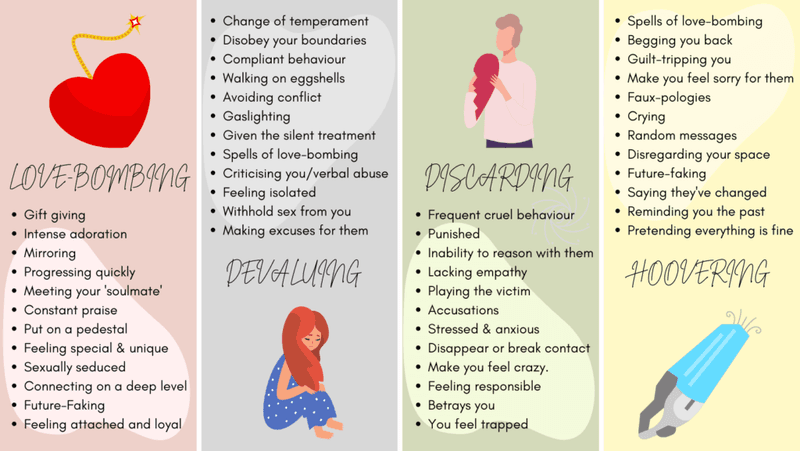
One of the things that makes relationships with partners showing pronounced narcissistic traits so confusing is how wildly their reactions can vary. You never quite know which version of him you are going to get when you bring up something that hurt you. Sometimes he goes cold and distant. Sometimes he flips the conversation so fast that you end up apologizing before you even finished your sentence.
Sometimes he is suddenly tender and loving in a way that makes you wonder if you imagined the whole problem.
Research on shame in patients with narcissistic personality disorder suggests that perceived criticism, rejection, or humiliation may be associated with shame, anger, hostility, or aggression in some people with pronounced narcissistic traits. This is sometimes described as a shame-rage cycle, where a deep internal sense of inadequacy gets covered by outward anger or contempt. But this is one possible pattern, not a complete explanation of every reaction.
Some people with narcissistic traits withdraw rather than explode. Some become charming and apologetic, pulling you back in before the pattern repeats. Some present themselves as the real victim of the exchange, leaving you feeling guilty for ever raising the concern at all. A study examining interpersonal dysfunction related to pathological narcissism found themes of verbal and emotional aggression, but also noted the variability in how these patterns show up across different relationships.
No single reaction proves a diagnosis, and no single reaction means you are safe to push further. What matters is that you stop trying to predict his reaction and start paying attention to the consistent effect his behavior has on you. The confusion, the walking on eggshells, the feeling that you can never quite get it right – those are data points worth trusting.
You Cannot Explain Someone Into Accountability
At some point, most women in this kind of relationship try the same thing. They gather their thoughts carefully. They choose the right moment. They explain, with as much calm and clarity as they can manage, exactly what happened and exactly how it made them feel.
And then they wait for the understanding to land. For him to finally get it.
It rarely works the way they hoped. Continued attempts to obtain agreement or accountability from a partner using manipulative or controlling behavior may be exhausting and may not produce insight or changed behavior. This is not because you explained it wrong or chose the wrong words. A partner who consistently reverses blame, denies clear events, or reframes every conversation around his own grievances is not operating from a place where better evidence will create a breakthrough.
MedlinePlus notes that psychotherapy is the primary treatment for narcissistic personality disorder, and that meaningful change depends on the person’s willingness to participate and take responsibility. Mayo Clinic similarly notes that people with NPD may not recognize their behavior as a problem, which makes treatment challenging. You cannot create that willingness through patience, love, perfect boundary-setting, or a more carefully constructed explanation.
This is not a verdict on him. It is a release for you. Letting go of the belief that the right conversation will finally fix things is one of the most freeing things you can do for yourself. Your energy, your clarity, your attention, these belong to your own life.
They were never meant to be spent indefinitely trying to make someone understand what they have not chosen to see.
Choose Boundaries That Fit Your Circumstances and Your Safety

Clarity can absolutely support self-trust, but the way it shows up in your daily life does not have to look like a dramatic declaration. For many women, it looks quieter and more practical than that. It looks like ending a circular conversation instead of staying in it for another hour. It looks like saying “I am not going to discuss this when you are speaking to me that way” and then leaving the room.
It looks like telling a friend what has been happening, when for years you kept it to yourself.
The CDC’s guidance on intimate partner violence frames behavior-based responses as grounding tools, not performance. Short, calm statements tend to be more effective than long explanations. Declining to debate your own experience is not weakness. Documenting incidents, keeping a private record of specific dates, words, and events, can be useful, but only when doing so will not alert your partner or increase your risk.
Some survivors find that reducing emotional engagement, sometimes called a gray-rock approach, helps them maintain a degree of calm in interactions. This means responding in brief, neutral ways rather than engaging with provocations or emotional escalation. It can be a useful strategy in some circumstances, but it is not guaranteed to work for everyone, and it is not appropriate in every situation. No technique is a substitute for individualized advice from someone who understands your specific circumstances.
The National Domestic Violence Hotline emphasizes that personalized safety planning should come before asserting a boundary that could increase risk. Telling a trusted person what is happening, connecting with an advocate or an abuse-informed therapist, and thinking through your next steps with someone who knows your situation are all part of building safety from the inside out, not from a script.
When Control Is Threatened, Plan Before You Announce Your Next Move
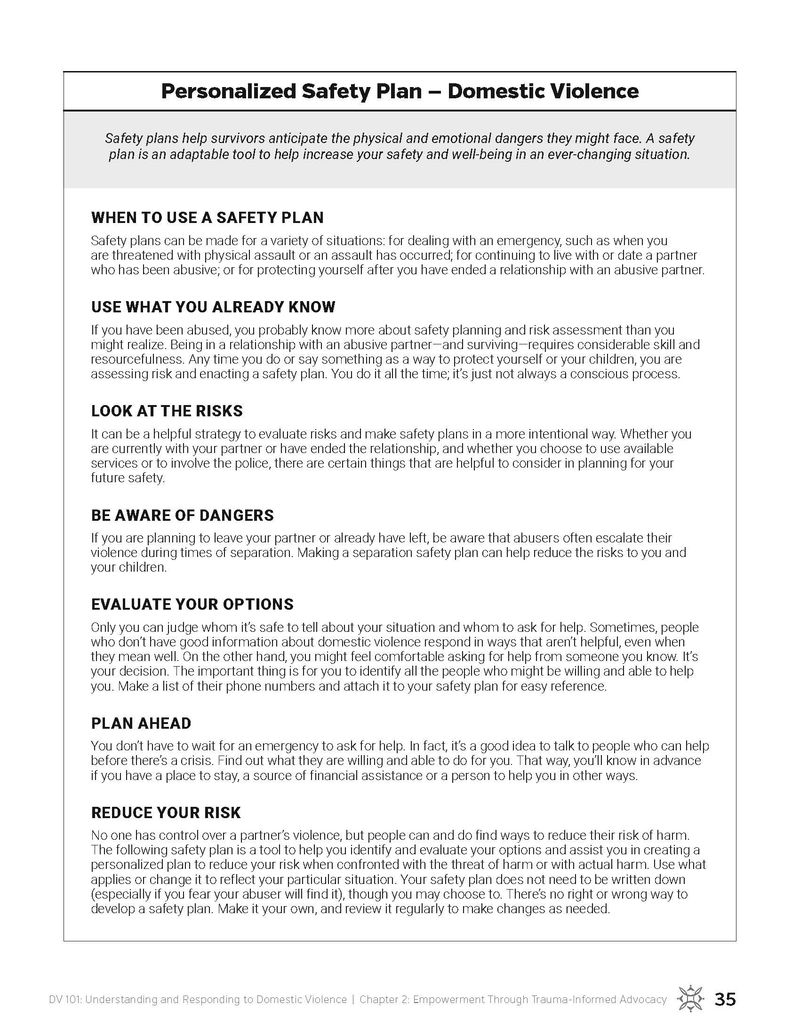
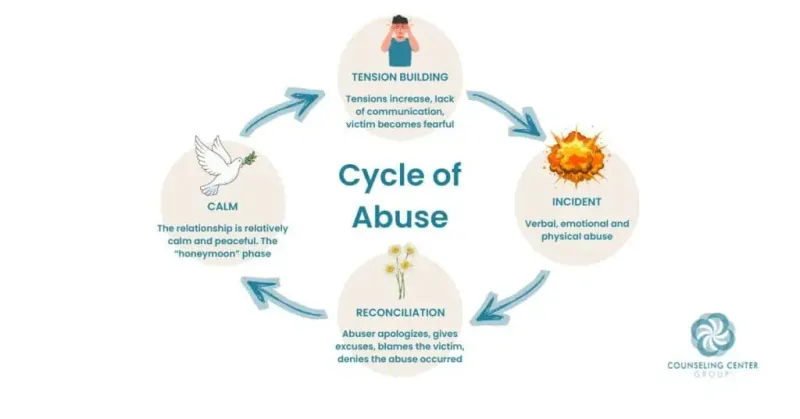
Gaining clarity is not the same as being safe to act on it openly. This is one of the most important distinctions in this entire article. In some relationships involving coercive or controlling behavior, the period when a partner begins to sense a shift in power or compliance can be a time of increased risk. The Hotline’s guidance on relationship abuse escalation specifically notes that abuse may intensify when an abuser feels control slipping.
This means that announcing your clarity, confronting him with everything you have figured out, or publicly exposing his behavior can carry real consequences that vary significantly depending on your specific relationship. What you know privately can protect you. What you announce publicly may provoke a response you are not yet prepared to manage. Safety planning is not about staying silent forever.
It is about choosing the timing and method of your next steps with your circumstances in mind.
A personalized safety plan from the Hotline can help you think through options whether you are still living with abuse, preparing to leave, or have already left. The Hotline’s after-leaving resources also address the reality that risk does not always disappear when a relationship ends. Before you search for help online, consider digital safety. If your partner may have access to your devices or accounts, use a private browser, a trusted friend’s phone, or a device he does not know about.
WomensLaw recommends preserving texts, emails, photographs, and incident notes only in ways that will not alert the abuser or increase danger.
If you are facing immediate danger, stalking, threats involving weapons, strangulation, physical violence, or threats of suicide or homicide, please contact emergency services and a specialized domestic-violence advocate. The National Domestic Violence Hotline offers 24/7 support in the United States at 1-800-799-SAFE (7233), with chat and text options available. Verify current contact details directly on their official site. You do not have to figure this out alone, and you do not have to have it all figured out before you reach out.
Your Real Victory Is Returning to Yourself

The headline promised you something dramatic, and the truth is both quieter and more lasting than the drama. Your real power in this situation is not in provoking a reaction, forcing a confession, or making him finally understand what he has done. Your real power is in the moment you stop organizing your inner life around his version of you.
That means trusting what you remember. It means holding onto your own standards for how you deserve to be spoken to, even when someone has spent years convincing you those standards are unreasonable. It means telling the people in your life what has actually been happening, and letting their care reach you instead of deflecting it to protect him.
There is no single right timeline for this. Staying while you plan is not weakness. Leaving slowly is not failure. The Hotline’s guidance on talking about relationship abuse is clear that fear, isolation, finances, caregiving responsibilities, threats, and eroded confidence are all real barriers, not character flaws.
You are not behind. You are exactly where you are, and clarity, even partial clarity, is still a beginning.
You are allowed to stop shrinking. You are allowed to stop overexplaining yourself to someone who has already decided not to hear you. The woman who finally sees clearly is not dangerous because she confronts anyone. She is formidable because she has stopped abandoning herself to keep someone else comfortable.