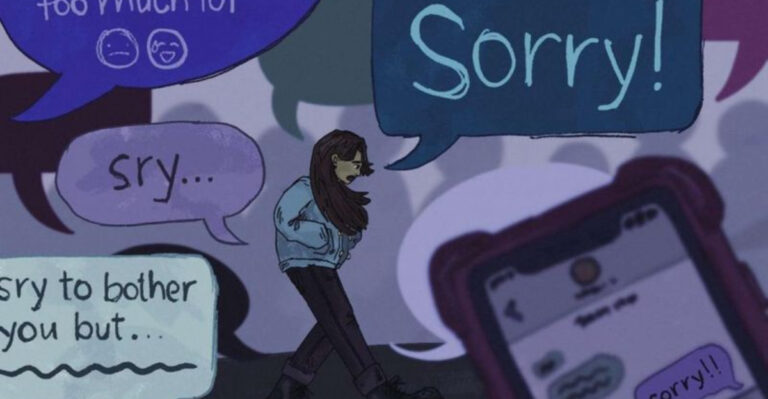

Perché sono tutti così cattivi con me? Non sei tu. (O forse sì?)
Nessuno è risparmiato da un comportamento meschino e, se si verifica spesso, può essere difficile gestirlo. When you’re in a situation that causes you to think, “Why is everyone so mean to me?” it’s likely that things have come to a point where it’s gone too far.
Succede a persone di tutte le età : lo stesso tipo di persone è da biasimare quando un adulto viene maltrattato sul lavoro o quando un bambino di dieci anni è vittima di bullismo a scuola. La situazione può diventare molto grave online – hiding behind anonymity and memes allows people to attack others in public forums , but it gets really bad in private messages dove nessuno può vedere .
Why does it happen? What makes people act in a way that hurts others? Is it your fault or is it theirs? All these questions have answers that aren’t hard to understand, but it might be hard to find compassion for the people who are mean and hurtful.
Perché sono tutti così cattivi con me?
There can be only two answers to this problem: it’s either you, or other people. You can tell which one it is by giving the following question some thought: è davvero tuttio stai esagerando?
Every time you think, “Why is everyone so mean to me?” be honest with yourself. If it’s everyone, then you should consider the possibility that you’re the reason why people don’t like you . If it’s not everyone, but in fact a few persone meschine che incontrate, allora la colpa è loro.
There’s a quote that says, “If you run into an stronzo al mattino, hai incontrato un stronzo. Se vi imbattete in stronzi all day, you’re the stronzo.” (Raylan Givens, Giustificato ) Questa frase descrive perfettamente questo punto.
If all of your interactions with other people lead to them being mean to you, there’s something about you that rubs them the wrong way. If it’s an occasional rude or persona cattiva, allora hanno un problema.
Per andare a fondo della questione e capire perché le persone sono cattive, è necessario esplorare entrambe le possibilità.
Le persone sono cattive con voi a causa dei loro problemi.
It’s far more likely that not every single person is mean to you, but that you simply run into rude and hurtful people so often that it seems they’re everywhere.
Imagine a day like this: first someone bumps into you on the street and proceeds to yell at you while you’re on your way to work. Later, your boss snaps at you when you ask them about a project deadline. To top it off, your friend ignores you when you text them to ask them to go out while you’re getting ready to leave work.
With such encounters it’s easy to forget all the kind things that happened that day: the neighbor who greeted you with a smile, the co-worker who helped you out, the family member who called to ask how you are. So the next time you think, “Everyone is so mean to me,” take a moment to remember the other side of the story.
Le persone cattive, tuttavia, lo sono per motivi del tutto estranei a voi. Le persone sono cattive a causa dei loro problemi. It’s insecurities and unhappiness that make people act rude, mean and unkind.
1. Hanno una bassa autostima

Una bassa autostima fa sì che una persona dubitare del loro valore , and their unhappiness needs to be expressed somehow. Sometimes it manifests as false self-confidence that’s fragile and ready to shatter at any time.
Una persona con un basso livello di autostima doesn’t see anything good in themselves, and they’ve convinced themselves that they are indegno di amore. Poiché si sentono poco amabili, pensano di dover essere antipatici.
They’re afraid you won’t like them as they are anyway, so by being mean they give you something that’s easy to dislike – the mean version of themselves that deserves hate. As mean as they are to you, they’re meaner to themselves.
2. They’re plagued by insecurities
A common reason for being mean is when a person is facing something that they’re insecure about. Le interazioni tra le persone sono spesso influenzate dal fatto che qualcuno ha spesso il sopravvento. per quanto possa essere difficile da riconoscere.
When someone who’s feeling like you’re above them in some way is mean to you, they’re trying to protect themselves. Because they’re feeling powerless and insecure about their autostima, they’re trying to put you down before you get the chance to put them down.
3. They’re feeling inadequate
Some people who don’t like themselves can spirale di disgusto per se stessi and have trouble in social interactions because they feel like they don’t have anything to offer. They believe others might think they’re boring and annoying, so they overcompensate by being mean.
L'ansia per le interazioni sociali li porta ad abbassare gli altri. Così facendo, le abbassano al proprio livello.
4. La loro educazione li ha influenzati
A lot of people have grown up in unhealthy environments and never learned how to act when they’re having negative emotions . If they were taught that it’s acceptable to take out your feelings on others, they might lack consapevolezza di sé e non prendono mai in considerazione l'idea di esaminare il loro comportamento.
5. They’ve suffered abuse

People who have suffered abusive behavior often perpetuate what they’ve experienced unless their feelings are dealt with. This, or anything else on this list, isn’t an excuse for behaving in a hurtful way to others, but it can give you a glimpse into perché alcune persone hanno difficoltà a relazionarsi con gli altri in modo sano e produttivo.
6. They’ve been hurt
People are often mean to cope with their feelings. Maybe you remind them of their pain, or you’re in the wrong place at the wrong time, but their lashing out has nothing to do with you. It’s a coping mechanism to deal with dolore emotivo and handle damage that you don’t see.
7. La loro rabbia è piacevole
Some people convince themselves that they’re right even when they aren’t and scaricare la colpa sugli altri . If they decide that you’re the villain, they get a feeling of superiority when they’re mean to you – if you’re awful, then they must be the good guy.
La prima volta che si comportano così, si rendono conto che la sensazione gli piace e continuano a farlo. Because they enjoy being mean, they refuse to let go of their anger and think about how they’re affecting the other person.
8. Mancano di capacità di comunicazione
Essere cattivi può dimostrare una mancanza di comunicazione e di abilità sociali. Chi si arrabbia e diventa cattivo nel momento in cui non è d'accordo con voi, probabilmente ha acquisito questo modo di comunicare crescendo.
Vi è mai capitato di parlare con qualcuno che inizia a parlare sopra di voi con una voce più alta della vostra invece di aspettare che finiate? Questo è un altro comportamento che dimostra una mancanza di capacità di comunicazione.
È particolarmente facile individuare l'arrabbiatura di default quando si parla con gli altri. social media. It’s often found among people who’ll disagree with you just for the sake of it.
9. They’re going through something
You don’t know what’s going on in someone’s life at the moment. They could be having a bad day or personal problems occupying their thoughts. They could be hungry or sleepy or worried, and too preoccupied with their own life to have any patience for others. Cattivo umore causata dallo stress colpisce tutti, ma non tutti sanno come affrontarla.
10. They’re emotionally immature

Someone who’s emotivamente immaturo doesn’t have the ability to cope with their feelings, which can often result in acting out and trying to drag you down to their level. If you cross their path, they’ll try to make you unhappy because they’re unhappy. Per esprimere i loro sentimenti negativi, ricorreranno a insulti, urla e attacchi.
11. They’re feeling entitled
Le persone che hanno diritto pensano che gli si debba qualcosa. It can be your time, attention or anything else, but they can become enraged when they don’t get what they believe they deserve.
This is the kind of rude people who imagine scenarios about how a situation should go, and when you don’t act in accordance with their imagination, they react to you behaving in a way they didn’t expect with anger.
These are toxic people who don’t even realize they are the problem and they’ll blame you for ruining their day, even when you had nothing to do with it.
12. They’re trying to make themselves feel better
Quando qualcuno è profondamente infelice e frustrato, cercano di ottenere una convalida trascinando gli altri al loro livello. L'infelicità ama la compagnia, quindi vogliono che vi sentiate male con voi stessi come loro.
The things they don’t like most about you are the things they don’t like most about themselves, and therefore they’ll throw every ounce of hatred and vitriol that they believe they deserve at you.
13. Hanno problemi di salute mentale
Depression isn’t just sadness, it’s a lack of will and it’s often accompanied by irritability and short temper. Lack of patience for people around them and anxiety make it è facile sfogarsi. Other mental health issues can also contribute to someone’s rude and mean behavior , such as certain personality disorders.
14. They’re taking it out on you
Spesso le persone arrabbiate con qualcuno o qualcos'altro ricorrono a una rabbia fuori luogo per affrontare questioni irrisolte. Potreste essere la ventesima persona che li ha infastiditi oggi, ed è stata la loro ultima goccia. It happens more than you think – someone made them mad, now they’re making you pay for the other person’s behavior.
15. Non gli piacete per un motivo

Sometimes people are mean because they’re angry at you specifically. You don’t have to have done anything in particular – a volte le persone possono serbare rancore nei vostri confronti per il modo in cui vi percepiscono rispetto a loro stessi.
Ad esempio, potrebbero odiarvi perché non sono d'accordo con voi su alcuni valori o su altri aspetti della vostra vita. ti invidiano because you have something they don’t.
You might be complaining about lack of free time because you’ve made too many plans, and they’ll resent you because they’re lonely and bored.
Le persone sono cattive con voi a causa del vostro comportamento

Se la maggior parte delle persone con cui entrate in contatto è scortese o cattiva con voi, è probabile che you’re probably not as nice as you think. Ognuno ha il proprio punto di vista e a volte possiamo giudicare gli altri più duramente di quanto giudichiamo noi stessi.
Most of the time we value our own actions by their intent, and the others’ by their results. For example, if you accidentally spill coffee on someone, you’ll insist that it wasn’t on purpose if they get mad. If someone else spills coffee on you, you’ll be all sticky and angry and won’t care that they did it by accident.
This is how we justify things that we did but didn’t mean to do, while we still blame other people if they do the same thing. When you hold people to standards that you don’t apply to yourself, it can become easy to see yourself as a victim who is under attack by everyone.
1. You’re rude to people
Examine everything from the previous section closely to see if anything applies to you. Are you the one who’s mean in the first place for some reason? Do you have unresolved anger issues?
If you don’t like yourself, if your life is stressful or you don’t know how to cope, you might be dealing with it by being rude to people e questo li porta a essere scortesi e cattivi anche con voi.
2. Sembri falso
If you’re nice and everyone is mean to you, people might be thinking that your niceness is fake. Overly nice people can seem like they have an agenda and are trying to gain something by their niceness, so people might feel like you’re dishonest.
Make sure that you’re not nice because you’re trying to be liked. People can feel the lack of sincerity, and if you’re nice because you expect niceness back, you won’t get it. Invece di essere gentili, siate gentili.
3. You’re negative
Asking the question “Why is everyone so mean to me?” in the first place can mean that you’re a person who looks at everything in a negative way.
If you’re seeing comportamento medio e le cose brutte dappertutto, bisognerebbe cercare di capire perché è così. If you’re pessimistic and can’t seem to find anything good around you, you might be feeling depressed or sad for some reason.
Cercate di cambiare lentamente il vostro modo di vedere la vita e, se necessario, fatevi aiutare da un professionista.
4. You’re selfish
If you’re selfish and focused only on yourself, it’s hard to notice how other people feel. Se tendete a dare la colpa agli altri per i vostri problemi, questo potrebbe essere il caso.
If you’re making everything about you, and judging others, their mean behavior might be a reaction to the way you treat them. Alcuni segnali che indicano che potreste essere egoisti sono: se giudicate gli altri per le cose che ritenete di avere il diritto di fare e se perseguite i vostri desideri e bisogni a spese degli altri.
Iniziate ad affrontare questo problema concentrandovi un po' di più sugli altri invece di dover essere sempre al centro dell'attenzione.
5. You’re bossy
Se dovete sempre avere l'ultima parola e dovete sempre avere ragione, le persone potrebbero trovarvi prepotenti. If you get upset when things don’t go your way, people might think you’re controlling e non fare le cose che si vogliono di proposito.
Essere una persona che critica, assilla e cerca di controllare gli altri potrebbe farli reagire con maleducazione o non voler stare con voi.
Vedi anche: Perché la mia ragazza è così cattiva con me (16 motivi + modi per affrontarla)
Cosa devo fare quando le persone si comportano male con me?

When people are mean to you, don’t take things personally. You can react in kind and cause an argument, but you won’t gain anything from it. Or you can get sad, but they’re not worth it.
The best thing to do when people are rude and mean to you, is to fully understand that people’s reactions to you are their problem.
1. Concentrarsi sul problema in questione, invece che sul comportamento scortese.
Don’t expect people to be nice. If they turn out to be nice, that’s great. If they don’t, it’s not your problem.
When you’re in a situation where you’re forced to deal with someone who’s being mean, try to ignore their behavior until you don’t have to interact with them and then simply focus on the reason you’re there.
For example, if you need a co-worker who’s being rude to give you a file, don’t react to their rudeness, but every time they say something mean, only talk about the file you need. Don’t give them the validation they’re looking for – only deal with them for the reason you have to.
2. Don’t pay them back in kind, essere tipo
Un altro modo per reagire alla cattiveria delle persone è essere gentili con loro. Naturalmente, you don’t have to be kind to someone who’s rude to you, but the results might surprise you.
If it’s someone who’s mean because they’re not feeling good about themselves, your kindness can completely change their day around and make them reconsider the way they’re treating you.
If it’s someone who’s mean because they feel like they have the right to be mean, they’ll get confused and potentially even more angry. Se persistere nella vostra gentilezza and completely ignore that they’re being rude, you’ll end up much less upset.
3. Allontanarsi
Sometimes it’s best to simply leave the situation. If you don’t have to deal with the person who’s being mean, don’t engage them at all. Just turn around and leave and don’t give them a time of day. Sometimes it’s really not worth it.
4. Stabilire i confini
Quando qualcuno si comporta abitualmente in modo sgarbato con voi, dovete essere decisi e fissare i confini . Let them know their behavior isn’t acceptable and tell them that you refuse to deal with it. If they cross your boundaries after you’ve let them know, don’t allow them to get away with it. Siate chiari e decisi.
5. Parlare a voce alta
Sometimes you have to speak up and call out someone’s rudeness . Deciding when to do it and when to walk away is difficult, but keep in mind that bisogna scegliere le proprie battaglie.
If you see that speaking up only leads to more conflict, it’s better to remove yourself from the situation. When you think that you’re able to reach the other person, then you should speak up.
Perché è così facile essere cattivi con gli altri?
L'insoddisfazione per qualcosa nella propria vita spinge le persone a cercare qualsiasi modo per esprimere la propria insoddisfazione. Lasciarsi coinvolgere dai propri sentimenti può essere molto facile e si inizia a vedere gli altri come nemici.
When you’re feeling like you’ve been treated unfairly for something minor and you react with what seems to be justified anger, you feel a sense of superiority because the other person is clearly awful and you’re the one who’s right.
In this way it’s easy for your feelings of righteousness to lead you into being mean, and to feel satisfaction when you give someone what you believe they deserve. Have you ever gossiped about someone and happily listed every bad thing about them, pleased that they’re so terrible and you’re not?
Il modo in cui le persone trattano gli altri è legato a come si sentono con se stesse. Becoming someone who isn’t mean starts with compassione – for others, but also for yourself. If you’ve been unkind, start by being kinder to yourself.
• Forgive yourself for your past mistakes.
• Face your fears and your flaws that make you mad when you recognize them in others.
• Don’t criticize yourself and don’t judge yourself.
• See your own anger at yourself and recognize you’re not a bad person.
• Acknowledge that some of the things that are important to you, might hold no value in someone else’s life.
• On the other hand, just because you’re not even thinking about something, doesn’t mean it’s not an issue for someone else.
To stop being mean, it’s important to consider other people’s lives and their own perspectives, which might be completely different from yours. Scegliere di guarire e decidere di essere gentili invece che cattivi. Prima con voi stessi e poi con gli altri.
Siate gentili
Being mean is an easy way to cope with things that aren’t going well in someone’s life. Not everyone deals in that way, so the question, “Why is everyone so mean to me?” is something that needs some thought.
Siate onesti con voi stessi about whether it’s always the other person’s fault, or if you’re sometimes to blame for what your relationship is like. Be aware that most people are mean because they’re really mean to themselves, and decide what’s the best way for you personally to deal with it.